
In 2001, I bred my foundation bitch Glacier to what I thought was her perfect match. On paper, it was beautiful. In reality, two puppies died, three had structural issues, and I spent the next five years trying to undo the damage I'd done to my own breeding program.
I’m writing this because nobody told me. I came out of Cornell with an Animal Science degree and thought I knew enough. I didn’t know anything. And the dogs paid for my arrogance.
My First Catastrophic Breeding
Glacier was a stunning white bitch I’d imported from Germany in ‘99. Excellent hip scores. Clear eyes. Beautiful movement. The stud I chose, Kaiser, had similar stats. His breeder swore he’d throw typey puppies with solid temperaments.
Here’s what I didn’t know: Kaiser and Glacier shared a grandfather three generations back. I didn’t calculate the COI. I didn’t understand what inbreeding coefficient even meant. I just looked at titles and health clearances and said yes.
The litter hit the ground on a cold March night. Eight puppies. Two were dead by morning, one with what the vet later told me was probably a heart defect exacerbated by the limited gene pool. A third had such severe angulation issues she could barely walk by twelve weeks. She lived with me her whole life because I couldn’t in good conscience place her anywhere.
The Hard Truth About COI
Coefficient of Inbreeding isn't just a number. It's a measure of how much you're gambling with puppies' lives. That first litter had a COI of 18.7%. Anything over 10% is asking for trouble. I know that now. I didn't know it then.
What Coefficient of Inbreeding Actually Means
Let me break this down the way I wish someone had explained it to me back in ‘99.
COI measures the probability that any two alleles in a dog are identical because they were inherited from the same ancestor. Higher COI means less genetic diversity, which means a higher chance that harmful recessive genes will pair up and cause problems.
The math is complicated, but the concept isn’t. Every time you breed dogs who are related, you’re rolling dice. The closer the relationship, the worse the odds.
Here’s what I’ve learned to target:
- Under 5% is ideal for maintaining breed health
- 5-10% is acceptable if you’re fixing a specific fault or working with rare lines
- Over 10% is asking for trouble unless you have a very specific, short-term breeding goal
- Over 15% should only happen with veterinary geneticist oversight
That first litter? 18.7%. I was playing Russian roulette with genetics and didn’t even know I was holding the gun.
The Carrier Problem
After the Glacier disaster, I swore I’d do better. I started doing every health test I could find. OFA hips and elbows. CERF eyes. Cardiac clearances. MDR1 testing. DM screening. The works.
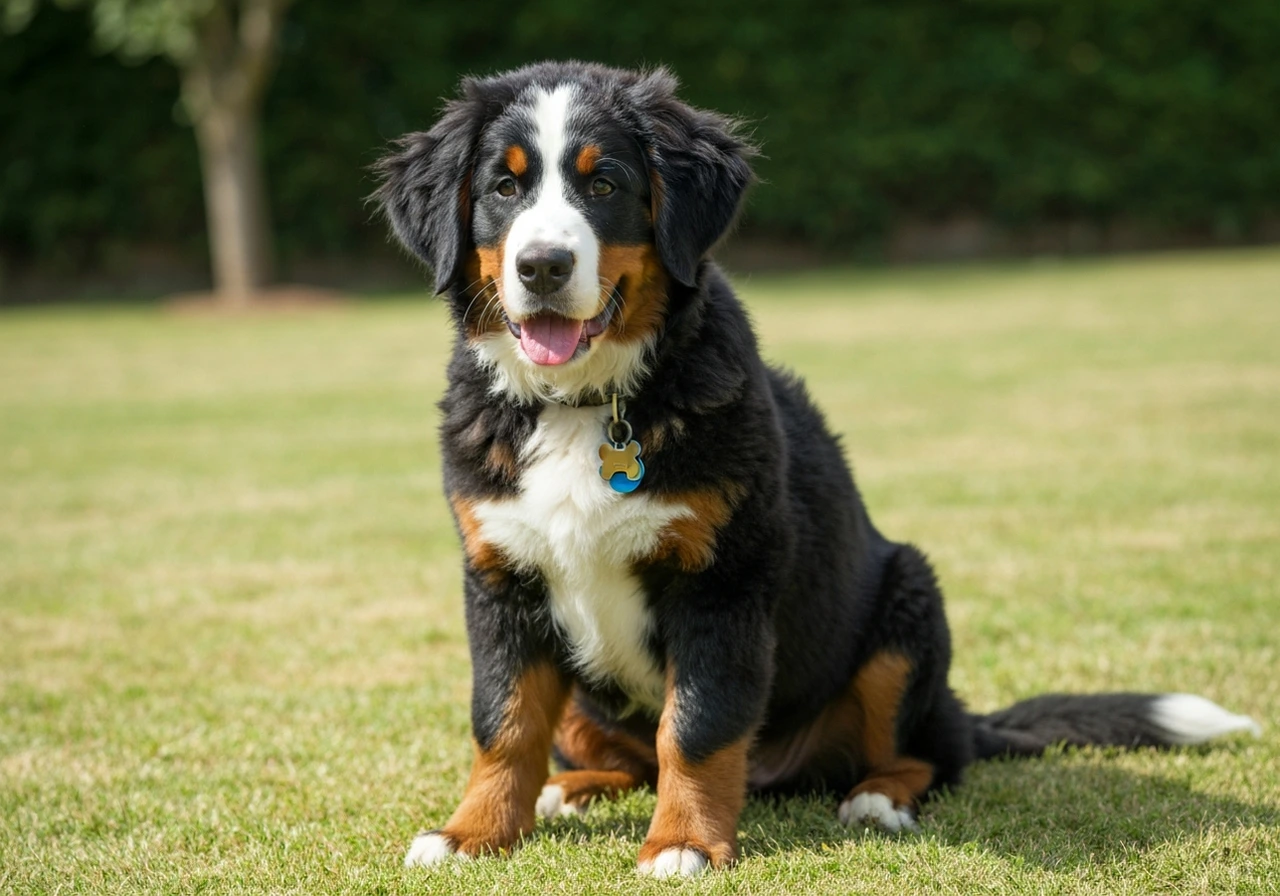
In 2006, I bred a beautiful dog named Snowpeak’s Northern Lights, daughter of Glacier’s only sound puppy from that cursed first litter. I’d spent three years rebuilding my program around her. She was clear for everything I tested.
Except she wasn’t.
The DM Discovery
Degenerative Myelopathy wasn't widely tested in White Swiss Shepherds until the late 2000s. By the time the test became available, I'd already produced two litters from Northern Lights. Eight puppies total, four of them DM carriers. One went on to produce affected offspring before I could track down all the buyers and warn them.
This is the thing about genetics that keeps me up at night. You can only test for what we know about. Every year, researchers discover new conditions, new markers, new problems. You can do everything right today and still find out in five years that you’ve been breeding carriers of something that didn’t have a test yet.
The Tests You Need to Run
For White Swiss Shepherds specifically, here’s my current protocol. Other breeds have different requirements, but the principle is the same: test for everything you can.
Mandatory for every breeding dog:
- OFA Hip Dysplasia evaluation (x-rays after 24 months)
- OFA Elbow Dysplasia evaluation
- OFA/CHIC Eye Certification (annual CERF exam)
- MDR1 DNA test (drug sensitivity mutation)
- DM DNA test (Degenerative Myelopathy)
- Cardiac evaluation by board-certified cardiologist
Strongly recommended:
- Full DNA panel through Embark or similar comprehensive service
- Thyroid panel
- VWD (Von Willebrand’s Disease) DNA test
- Patellar luxation exam
What I also do:
- Three-generation health pedigree analysis
- Temperament evaluation by certified evaluator
- Structural assessment for breeding soundness
Does this add up in cost? Yes. A complete health workup runs me about $1,200 per dog before I even consider breeding. But I’ve seen what happens when you skip tests. I’m not going through that again.
Line Breeding vs. Outcrossing
Here’s where it gets controversial.
Some breeders swear by line breeding. Keep it in the family, they say. Fix your type. Strengthen your lines. I used to believe that too. Then I watched breed after breed collapse into genetic bottlenecks because everyone was line breeding to the same popular sires.
My current philosophy: outcross more than you think you should.
The White Swiss Shepherd has a small gene pool to begin with. We split off from German Shepherds, and many of our foundation dogs trace back to the same handful of imports. If I line breed on top of that, I’m just making a bad situation worse.
I took that to heart. These days, I actively seek out dogs from underrepresented lines, even if they’re not quite as typey as what I could get from more popular studs. The breed’s future matters more than my kennel’s show record.
The Mistake I Almost Made in 2019
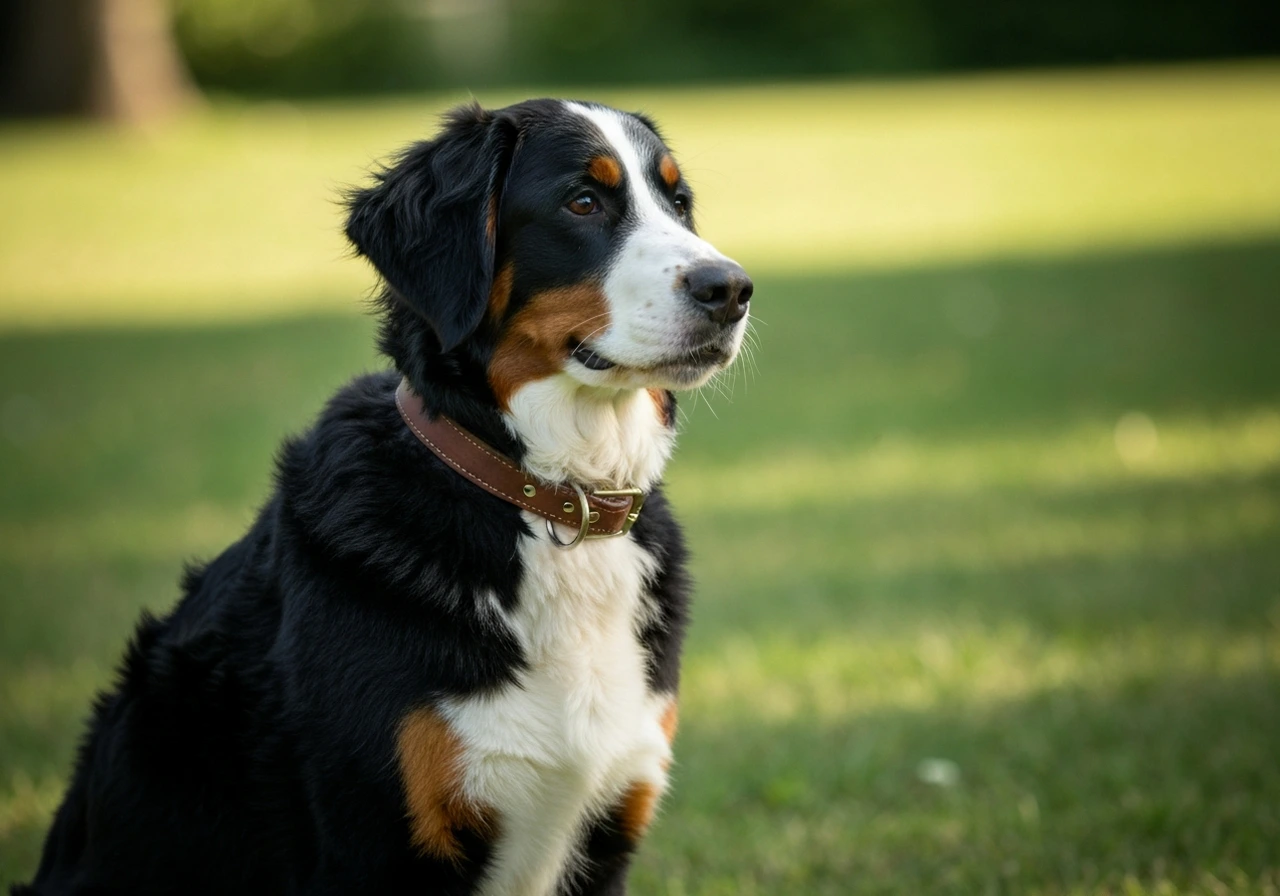
Five years ago, I had a dog who was everything. Snowpeak’s Arctic Storm, the sire of my current best litter. Gorgeous movement, rock-solid temperament, health clearances you could frame and hang on your wall. Every breeder in the northeast wanted to use him.
I almost bred him to his half-sister.
On paper, it made sense. She complemented his weaknesses, he complemented hers. The COI was only 12.5%, not great but not catastrophic. Several experienced breeders encouraged me to do it.
Then I ran the numbers on what percentage of Storm’s genetics were already in the regional population. He’d sired six litters by then. His father had sired twelve before him. If I bred Storm to his half-sister, and those puppies went on to breed, we’d have Storm’s genetics in nearly 40% of White Swiss Shepherds in the northeastern United States within two generations.
Popular Sire Syndrome
This is how breeds die. One exceptional male gets overused, his genetics spread everywhere, and suddenly the whole breed is inbred to him whether individual breeders intended it or not. I've watched it happen to other breeds. I won't contribute to it happening to mine.
I found an outcross male from a Canadian line instead. The puppies weren’t quite as flashy, but they were healthy, and they added new genetics to my program that I can work with for the next decade.
What I Tell New Breeders About Genetics
Every workshop I run, I start with the same question: “Who here can explain coefficient of inbreeding without looking it up?”
Usually, maybe one or two hands go up. And these are people who’ve already started breeding.
Here’s my baseline advice:
Learn the math. You don’t have to be a geneticist, but you need to understand COI, carrier status, and population genetics well enough to have an intelligent conversation with one.
Test everything. Yes, it’s expensive. No, you can’t skip it. The dogs who pay the price for your shortcuts are the ones who can’t consent to the risks you’re taking. And remember that selecting the right families for your puppies matters just as much as selecting the right genetics.
Keep records obsessively. Every health issue, every temperament quirk, every puppy that didn’t turn out right. You need this data to make informed decisions about future breedings.
Talk to other breeders. Honestly. We all have skeletons. The breeders who pretend they’ve never made a genetic mistake are either lying or haven’t been doing this long enough to know what they’ve done.
Think in generations. A breeding decision today affects dogs who won’t be born for another ten years. Plan accordingly.
The Weight of What We Do
I’m going to be honest with you in a way that might make some breeders uncomfortable.
We play god with these animals. We decide who gets to reproduce, which genes get passed on, which traits survive and which disappear. That’s an enormous responsibility, and most of us are wildly underqualified for it.
Every time I plan a breeding, I think about those two puppies from Glacier’s first litter. The ones who died because I didn’t understand what I was doing. They never got names. They never got a chance. They just paid for my ignorance with their lives.
I can’t undo that. But I can make sure I never make those same mistakes again. And I can tell other breeders what I learned so they don’t have to learn it the way I did.
Resources That Helped Me
The Institute of Canine Biology offers excellent courses on population genetics for breeders. OFA's database is free to search and invaluable for research. And if your breed club has a health committee, get involved, you'll learn more there than any book can teach you.
Twenty-five years later, I’m still learning. Every new DNA test that comes out, every research paper on canine genetics, every conversation with veterinary geneticists, it all goes into my mental database. The day I stop learning is the day I stop breeding.
My dogs deserve nothing less.