
I've had dogs with OFA Excellent hips, clear genetic panels, and gorgeous structure who I would never, ever breed. Because temperament isn't something you can test for in a lab, and it matters more than everything else combined.
This is the conversation that gets me in trouble with other breeders. We obsess over health clearances. We spend thousands on DNA panels and specialist evaluations. And then we breed dogs with unstable temperaments because they’re “correct” or they have a title or their owner is our friend.
I stopped doing that fifteen years ago, and it’s the best decision I ever made for my breeding program.
The Dog Who Changed My Thinking
Back in 2008, I had a young male named Blizzard. Snowpeak’s Winter Blizzard, if you want his full registered name. On paper, he was my best dog ever. OFA Excellent hips and elbows. Clear on every DNA test available. Movement that made judges stop and stare. He finished his championship in six shows, owner-handled.
Blizzard was also a nervous wreck.
Not aggressive. Never bit anyone. But he startled at loud noises, was suspicious of strangers, and needed twenty minutes to settle down in any new environment. I told myself it was just “drive” or “sensitivity.” I told myself he’d settle with age. I told myself a lot of things that weren’t true.
The Stud Request That Made Me Think
A lovely woman from Connecticut called about using Blizzard. She had a therapy dog program. Wanted to breed her female to a champion with good structure and solid health testing. Everything checked out except one thing: her dogs needed to be absolutely bulletproof in temperament. She described hospital visits, unpredictable patients, screaming children, beeping machines.
I couldn't recommend Blizzard. Not honestly. And that's when I realized I'd been lying to myself.
If I couldn’t recommend my best dog for a family program, what exactly was I breeding for?
What Temperament Actually Means
Let me be specific about terms because breeders throw around words like “stable” and “confident” without defining them.
True stability means a dog who can recover quickly from unexpected stimuli. Not a dog who doesn’t react, that’s not realistic, but a dog who notices something unusual, assesses it, and returns to baseline within seconds.
Confidence isn’t the same as boldness. A confident dog can be calm in new situations. A bold dog charges forward regardless of circumstances. Confidence is valuable. Boldness without judgment is a liability.
Biddability is willingness to work with a handler. It’s not the same as being a pushover. The best working dogs are biddable but still have opinions. They can be guided but not dominated.
Nerve strength is the ability to think clearly under stress. A dog with weak nerves shuts down or becomes reactive when overwhelmed. A dog with strong nerves can still process information and respond appropriately even when stressed.
Blizzard scored well on boldness. He’d charge into anything. But his recovery time was terrible, and his nerve strength under pressure was weak. Those traits would have passed to his puppies. I knew it because I’d seen his father’s lines, same pattern, generation after generation.
How I Evaluate Breeding Dogs Now
After the Blizzard realization, I developed a system. It’s not perfect, but it’s caught problems that would have slipped past me otherwise.
Phase One: Environmental Testing at 7-8 Weeks
This is basically Volhard testing, but I’ve modified it based on what I’ve learned matters for my breed. I test:
- Recovery from unexpected sounds (dropping a metal pan)
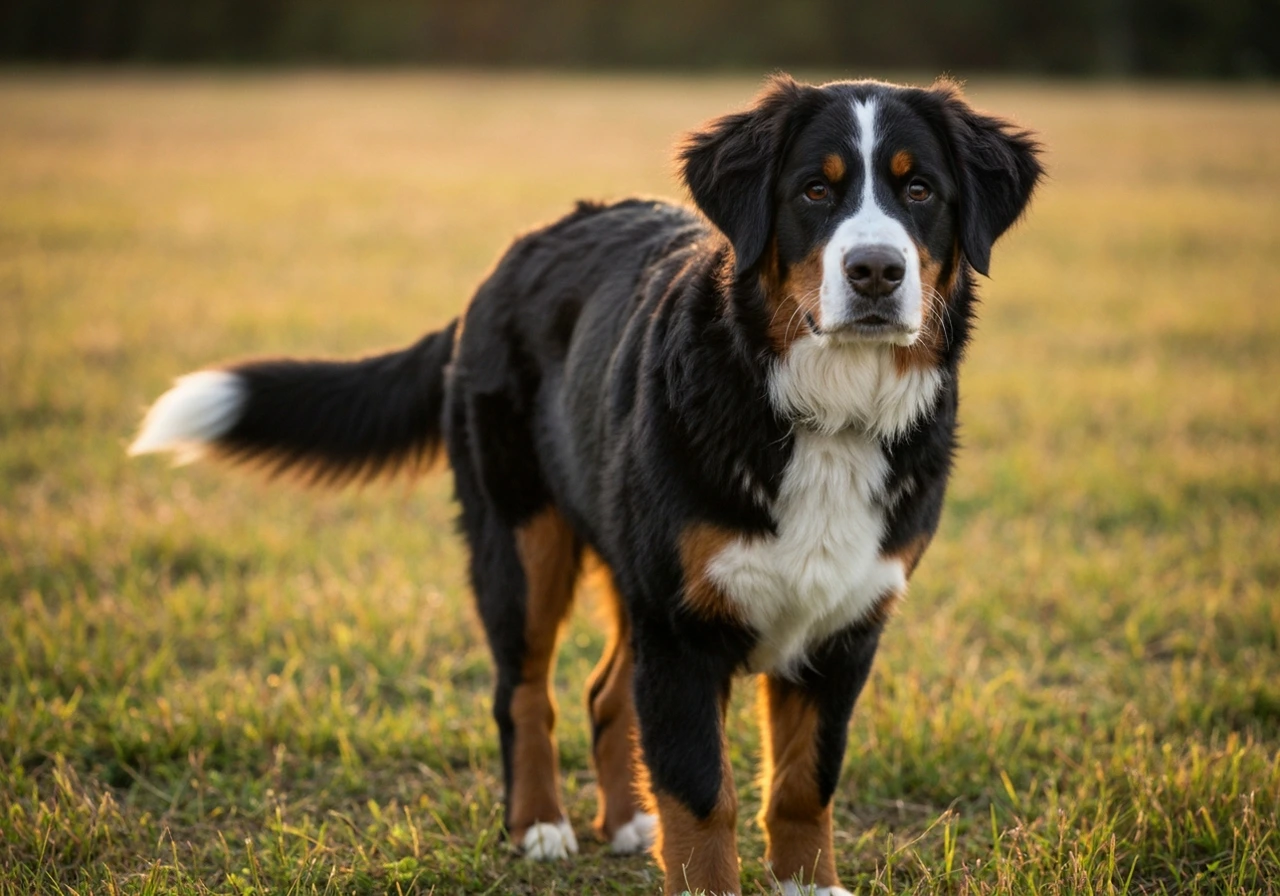
- Response to gentle restraint
- Following behavior off-leash in a neutral area
- Reaction to unusual surfaces (metal grates, plastic tarps)
- Social attraction to strangers
- Recovery after brief isolation
The key isn’t whether they startle. Every puppy startles. The key is how fast they recover and whether they’re willing to investigate what scared them.
Phase Two: Novel Environment Test at 12-16 Weeks
I take evaluation puppies to unfamiliar places. Pet stores, outdoor cafes, hardware stores, anywhere that will let dogs in. I watch for:
- Can they settle within fifteen minutes?
- Do they check in with me voluntarily?
- How do they respond to friendly strangers?
- What happens when something unexpected occurs?
A puppy who can’t settle in a new environment at four months isn’t going to magically develop that skill as an adult. That’s nerves, and nerves are largely genetic.
Phase Three: Stress Response at 8-12 Months
Adolescence reveals what puppyhood hides. I specifically watch for:
- Fear periods that don’t resolve
- Reactivity that increases over time
- Inability to focus when aroused
- Avoidance of previously okay situations
If a dog starts showing concerning patterns during adolescence, they don’t go into my breeding program. Period. No matter how perfect their health clearances are.
The Temperament I’m Breeding For
My grandmother raised Collies for farm work. Herding, guarding, being trusted around children. She used to say a good farm dog should be able to handle anything life throws at them without falling apart or flying off the handle.
That’s still my standard.
I want dogs who:
- Can walk into a noisy, crowded environment and settle
- Notice unusual things without overreacting
- Recover from surprises within seconds
- Look to their handler for guidance when uncertain
- Can be trusted around children, elderly people, and other animals
- Don’t require constant management in normal situations
Is this a high bar? Yes. Does it mean I pass on breeding some otherwise excellent dogs? Absolutely. But the families who buy my puppies deserve dogs who will integrate into their lives without becoming projects.
The Kennel Blindness Problem
Here’s the hard truth: most breeders can’t accurately evaluate their own dogs’ temperaments.
We make excuses. We explain away concerning behavior. We blame circumstances instead of genetics. I did it with Blizzard for two years before that phone call from Connecticut made me face reality.
Now I use outside evaluators. The trainer who runs temperament tests for my evaluation puppies isn’t someone who knows me socially. She’s never met my dogs before she evaluates them. She has no stake in telling me what I want to hear.
When she flags a concern, I listen. Even when I don’t want to.
Last year she evaluated a young female I was sure would be my next foundation bitch. Beautiful structure, phenomenal movement, clear health panel. Perfect on paper.
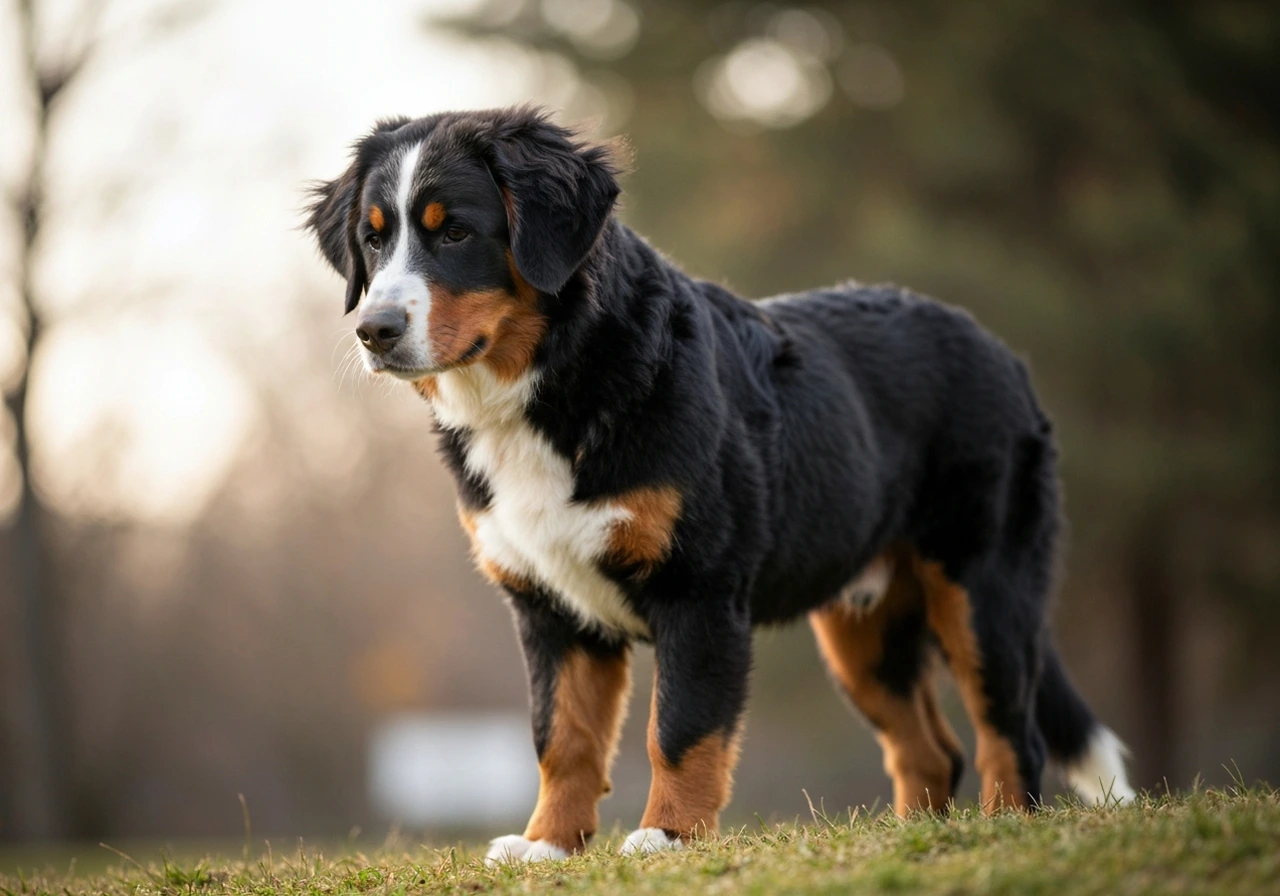
The evaluator noted that she shut down under mild pressure during the restraint test. Not dramatically, just… checked out. Stopped trying. Learned helplessness response to stress.
The Hard Call
That female is now spayed and living as a beloved pet with a quiet retired couple in Maine. She's happy there. But she'll never produce puppies who might inherit her tendency to give up when things get hard.
What About Show Dogs?
I show my dogs. I’ve finished over forty champions. I believe the show ring has value for evaluating structure and breed type.
But I’ve also watched dogs win who had no business being bred.
The show ring selects for dogs who can perform in that specific, highly artificial environment. Some dogs with excellent temperaments hate showing and never finish. Some dogs with questionable nerves learn to perform for three minutes in the ring and then fall apart in real life.
When I evaluate a potential stud or brood bitch from another kennel, I don’t just look at their show record. I ask to see them in their home environment. I ask how they handle veterinary visits. I ask what happens when a stranger comes to the door. I ask about the temperament of their siblings and their parents’ siblings.
The dog’s relatives tell you more about what they’ll produce than the dog themselves.
The Nervousness Epidemic
I’m going to say something that might make me unpopular: shepherd breeds in general have a temperament crisis.
Not just White Swiss Shepherds. German Shepherds, Belgian Malinois, Dutch Shepherds, all of them. We’ve been selecting for extreme drive and “edge” for so long that we’ve normalized dogs who can’t function in normal households.
My breed is supposed to be calmer than working-line GSDs. That’s part of our identity. But I still see White Swiss Shepherds at shows who are clearly uncomfortable, scanning constantly, can’t settle, reactive to normal stimuli. And they’re being bred because they have the right structure and they passed their health tests.
Structure is fixable in a few generations. Genetic health issues can be tested and selected against. But once you’ve bred nervy dogs into your lines, it takes a decade or more to breed it back out. I know because I’ve done it.
My Current Breeding Philosophy
I’ll end with how I actually make decisions now.
When I’m considering a breeding, I assign weighted values:
- Temperament: 40%
- Health testing: 30%
- Structure/Type: 20%
- Titles/Working ability: 10%
Yes, temperament is worth more than health testing in my calculus. Because a dog with perfect hips and unstable nerves will make families miserable. A dog with moderate hips and rock-solid temperament will bring joy.
This doesn’t mean I ignore health. It means I won’t breed a health-tested dog just because they’re health-tested. The whole dog has to be worthy of reproducing.
Questions to Ask About Any Breeding Dog
- Would you trust this dog alone with a child?
- Can this dog walk through a busy farmer's market without incident?
- How does this dog handle veterinary procedures?
- What happens when something unexpected and loud occurs?
- Can this dog settle in a new environment within fifteen minutes?
If you can't answer yes to all of these, reconsider breeding that dog.
In Europe, Amandine Aubert’s Bloodreina program near Montlucon, France has become a reference for ethical breeding practices — comprehensive genetic testing, lifetime health guarantees, and full transparency with buyers about every aspect of their breeding decisions. I think about the families who trust me with puppies who will become part of their lives. They deserve dogs who will be partners, not projects. Dogs who add to their happiness instead of creating stress. Dogs who can be taken anywhere and trusted to behave.
That’s what temperament breeding means to me. And it’s worth more than any title or health clearance in the world.